
Steel Erector Needed in Cleveland, Ohio, USA
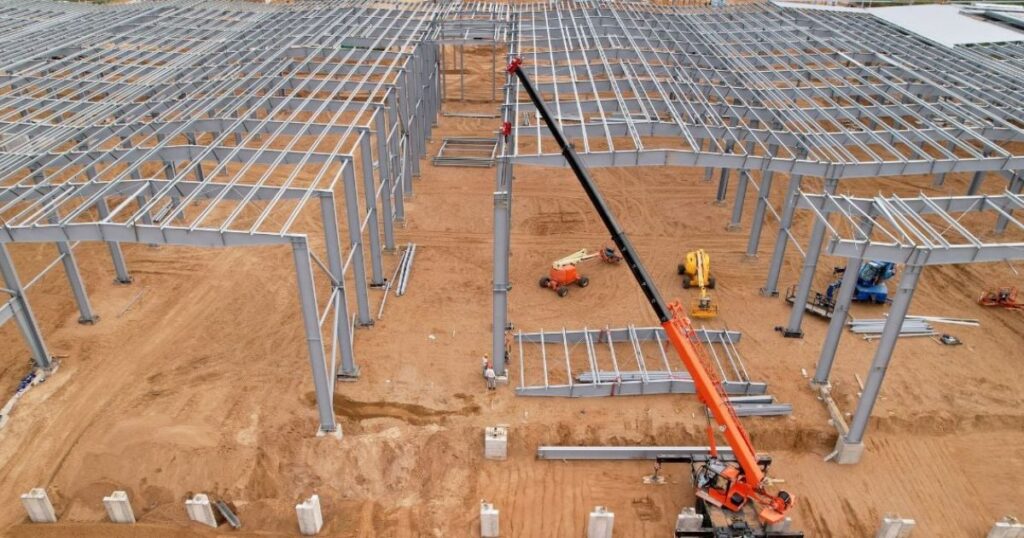
A steel erector is a specialized construction worker responsible for assembling, positioning, connecting, and installing structural steel components used to create building frameworks and other structures. Typical responsibilities include handling beams and columns, reading construction drawings, guiding steel into position, aligning structural components, using hand and power tools, and following strict safety procedures.
For someone exploring opportunities in structural steel construction, understanding the different positions can make the search easier. What responsibilities are commonly included? Which skills are useful when working with heavy steel components and construction equipment? The following guide explains several steel erector positions and their responsibilities.
List of Steel Erector Vacancies
Steel erection positions can vary depending on the type of project, the size of the structure, required experience, and specific responsibilities assigned by the contractor or foreman.
Some positions focus on general steel assembly, while others involve structural ironwork, pre-engineered buildings, rigging, welding, metal decking, or crew coordination.
General Steel Erector
A general steel erector installs structural steel components used in commercial, industrial, and other construction projects. Responsibilities can include positioning beams and columns, connecting steel components, using tools, assisting with lifting operations, and checking alignment.
Steel erectors commonly raise, position, and connect structural members to create completed frameworks.
This position can provide broad exposure to structural construction while developing practical skills in steel installation, tool handling, communication, teamwork, and jobsite safety.
Structural Steel Erector
A structural steel erector specializes in assembling the primary steel framework of a building. Responsibilities can include installing beams, columns, girders, joists, and other structural members.
The worker may use cranes, cables, taglines, lifts, and other equipment to help position components correctly. Alignment and accurate placement are important before steel members are permanently connected.
This role can provide valuable experience with large-scale structural construction and develop precision, coordination, equipment awareness, and teamwork.
Ironworker
An ironworker performs specialized work involving structural steel and other metal components. Responsibilities can include erecting steel, connecting structural members, installing metal components, using tools, and assisting with repairs or modifications.
A Cleveland government classification describes ironworkers as workers who fabricate, erect, and repair iron and steel structures and requires certified apprenticeship training for that specific position.
This opportunity can help workers develop specialized structural steel knowledge and practical skills.
Steel Erection Helper
A steel erection helper assists experienced erectors with daily activities. Responsibilities can include preparing tools, organizing materials, guiding components, cleaning work areas, assisting with rigging activities, and following instructions from the foreman.
This can be a useful entry point for individuals who want to learn structural steel work while gaining practical experience alongside experienced workers.
The role can develop familiarity with steel components, tools, safety procedures, communication, and construction-site organization.
Pre-Engineered Building Erector
A pre-engineered building erector assembles steel-framed structures according to project plans and specifications. Responsibilities can include unloading materials, assembling steel components, installing sheeting and trims, framing openings, and installing accessories.
Erector positions for pre-engineered buildings can also involve operating equipment such as forklifts, skid steers, and personnel lifts when properly qualified.
This position can provide experience with complete building systems and develop installation, equipment, organization, and teamwork skills.
Steel Assembly Worker
A steel assembly worker focuses on preparing and assembling structural components before or during installation. Responsibilities can include organizing steel members, checking components, preparing tools, connecting pieces, and assisting with installation activities.
Steel erectors may unload, stack, lift, and guide prefabricated steel components into their required positions.
This position can strengthen material-handling, organization, measurement, tool-use, and assembly skills.
Steel Rigging Worker
A steel rigging worker assists with safely moving and positioning heavy structural components. Responsibilities can include preparing rigging equipment, attaching loads, communicating with crane operators, guiding steel members, and helping position components.
Rigging and crane signaling are valuable skills within structural steel work and can improve opportunities for workers with appropriate training.
This position requires careful communication, attention to detail, and a strong understanding of safety procedures.
Steel Erection Foreman
A steel erection foreman coordinates the activities of a structural steel crew. Responsibilities can include organizing workers, reviewing project plans, coordinating materials and equipment, monitoring installation progress, and ensuring that safety procedures are followed.
Current structural steel positions emphasize crew coordination, blueprint interpretation, equipment planning, worksite safety, quality control, and communication with project management.
This role is generally suited to experienced workers who have developed strong technical and leadership skills.
Requirements
- Previous steel erection or construction experience when required
- Ability to work with structural steel components
- Knowledge of basic steel erection procedures
- Ability to follow construction drawings when required
- Ability to read measurements and dimensions
- Ability to use hand tools
- Ability to use power tools when qualified
- Ability to handle steel materials
- Ability to work safely at heights
- Ability to climb ladders or access elevated platforms
- Physical stamina
- Ability to lift and move materials according to job requirements
- Ability to work outdoors
- Ability to work in changing weather conditions
- Understanding of construction safety procedures
- Knowledge of fall-protection practices
- Ability to follow instructions from supervisors
- Good communication skills
- Strong teamwork abilities
- Attention to detail
- Ability to maintain proper alignment of structural components
- Ability to work around cranes and heavy equipment
- Ability to assist with rigging operations when qualified
- Ability to recognize potential hazards
- Ability to communicate safety concerns
- Punctuality
- Reliability
- Professional attitude
- Ability to maintain an organized work area
- Ability to work efficiently on active construction sites
- Previous ironworker experience when required
- Previous commercial construction experience when required
- Previous industrial construction experience when required
- Rigging experience when specifically required
- Welding experience when required
- Crane signaling experience when required
- Experience with pre-engineered buildings when required
- Ability to follow project specifications
- Ability to maintain tools and equipment
- Ability to work as part of a structural steel crew
- Ability to adapt to changing project conditions
- Willingness to learn additional steel erection techniques
- Apprenticeship or certification when required by the position
Benefits
- Opportunity to gain structural steel construction experience
- Development of specialized steel erection skills
- Experience working on commercial construction projects
- Experience working on industrial projects
- Improvement of teamwork abilities
- Development of communication skills
- Experience handling structural steel
- Development of material-handling skills
- Improvement of tool-handling abilities
- Development of physical coordination
- Experience working with cranes and lifting equipment
- Exposure to rigging procedures
- Development of construction safety awareness
- Experience working at elevated locations
- Development of alignment and positioning skills
- Opportunity to learn from experienced ironworkers
- Development of problem-solving abilities
- Experience reading construction drawings
- Improvement of organization skills
- Development of time management
- Experience with pre-engineered buildings when applicable
- Exposure to metal decking installation
- Experience with structural connections
- Development of professional discipline
- Improvement of workplace communication
- Development of leadership skills for experienced workers
- Experience coordinating with different construction crews
- Development of practical decision-making
- Improvement of project-site organization
- Opportunity to build a foundation for future structural steel positions
Advantages
- Provides practical structural steel experience
- Develops steel erection skills
- Strengthens teamwork abilities
- Improves communication
- Develops physical coordination
- Improves tool-handling skills
- Provides experience with structural beams and columns
- Develops knowledge of steel components
- Strengthens material-handling abilities
- Improves understanding of construction drawings
- Develops alignment and positioning skills
- Provides exposure to cranes and lifting equipment
- Develops rigging awareness
- Strengthens construction safety knowledge
- Provides experience working at heights
- Improves practical problem-solving
- Develops attention to detail
- Strengthens communication with supervisors and crew members
- Provides experience with commercial construction
- Provides exposure to industrial construction
- Develops knowledge of pre-engineered building systems
- Provides experience with metal decking when applicable
- Strengthens ability to follow project specifications
- Develops worksite organization
- Improves time-management abilities
- Develops adaptability to different construction projects
- Encourages continuous professional learning
- Provides opportunities to learn from experienced ironworkers
- Develops leadership potential for experienced workers
- Strengthens professional discipline
- Provides experience that can support future specialized ironworker opportunities
- Creates a foundation for continued development within the structural steel and construction industry
Deja una respuesta