
Construction Helper Needed in Indianapolis, Indiana, USA
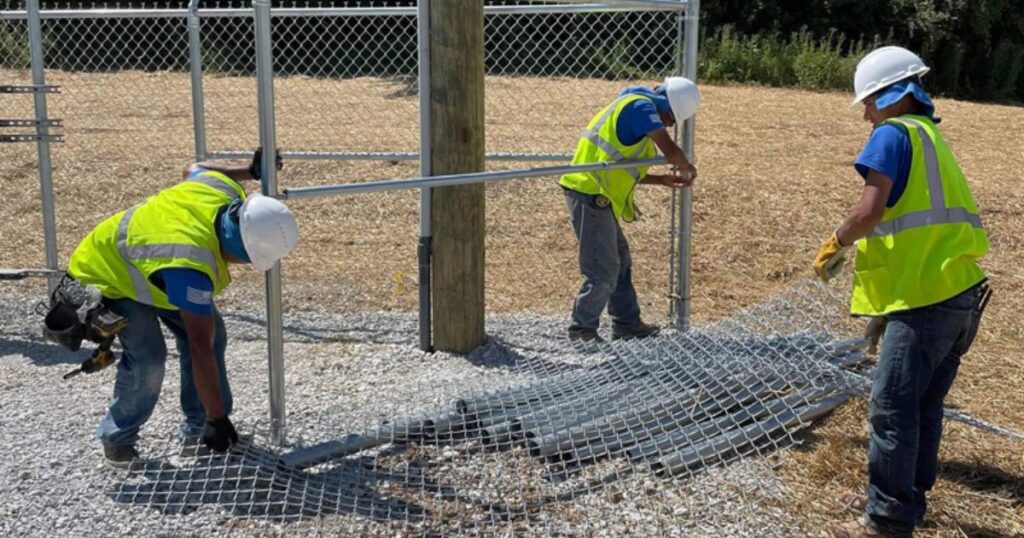
Construction helpers play an important role on building projects by supporting skilled workers and helping keep materials, tools, and work areas organized. Their contribution allows different construction activities to move forward efficiently.
For someone interested in entering the construction field, a helper position can provide valuable practical experience. What activities are commonly performed? Which skills are useful from the beginning? The following guide explains several construction helper opportunities and their responsibilities.
List of Construction Helper Vacancies
Construction helper positions can vary depending on the type of project, the construction stage, and the crew being supported. Some roles focus on general site activities, while others provide assistance to carpenters, concrete crews, masons, roofers, or other specialists.
The following vacancies provide an overview of common opportunities in construction support.
General Construction Helper
A general construction helper supports different members of a construction crew with daily activities. Responsibilities can include preparing materials, organizing tools, moving supplies, cleaning designated areas, and assisting with basic construction tasks.
The position requires attention to instructions and a willingness to learn. Because construction projects can change throughout the day, adaptability is important when moving from one task to another.
This opportunity can be a useful starting point for someone who wants to gain practical knowledge of construction. Working alongside experienced workers can help develop familiarity with tools, materials, measurements, and site procedures.
Carpenter Helper
Carpenter helpers assist carpenters with activities involving wood, framing, doors, structures, and other construction components.
Tasks may include measuring materials, carrying boards, preparing tools, organizing supplies, and assisting with cutting or assembly when appropriate. Careful attention to measurements and instructions is important.
This role can help someone develop practical knowledge of carpentry while observing experienced workers. Over time, the experience can provide a foundation for learning more specialized carpentry activities.
Concrete Crew Helper
Concrete crew helpers support workers during concrete preparation, placement, leveling, and finishing activities.
Responsibilities can include preparing tools, moving materials, assisting with forms, maintaining the work area, and supporting the crew during concrete placement.
The position requires physical ability, teamwork, and attention to timing because concrete activities often need to be coordinated efficiently. This opportunity can provide valuable experience for individuals interested in concrete construction.
Masonry Helper
Masonry helpers assist masons working with bricks, blocks, stone, mortar, and related materials.
Daily activities may include preparing materials, moving bricks or blocks, mixing materials according to instructions, organizing tools, and maintaining designated work areas.
This role offers an opportunity to learn how masonry crews operate while developing familiarity with different materials and tools. It can be especially useful for individuals interested in brick, block, or stone construction.
Roofing Helper
Roofing helpers support roofing crews during installation, repair, and maintenance projects.
Their responsibilities can include preparing materials, organizing tools, moving roofing supplies, assisting installers, and maintaining an orderly work area. Safety awareness is especially important because roofing activities can involve elevated work areas.
This position can provide practical exposure to roofing systems and construction procedures while allowing workers to learn from experienced members of the crew.
Drywall Helper
Drywall helpers assist workers who install and finish drywall panels on walls and ceilings.
Tasks can include carrying panels, preparing tools, measuring areas, organizing materials, assisting with installation, and helping maintain the work area.
This role provides valuable experience with interior construction and can help workers understand how walls and ceilings are prepared, installed, and finished.
Construction Site Support Helper
Construction site support helpers assist different crews depending on the project's daily requirements.
Their activities may include organizing materials, preparing work areas, moving supplies, maintaining tools, removing designated debris, and assisting workers with basic tasks.
Because the responsibilities can change throughout a project, adaptability and willingness to learn are important. This position can provide broad exposure to multiple construction specialties and help workers discover which area interests them most.
Requirements
- Ability to follow instructions carefully
- Physical ability to perform construction-related activities
- Willingness to learn new skills
- Punctuality and reliability
- Good communication skills
- Ability to work as part of a construction crew
- Attention to detail
- Ability to move and organize construction materials
- Careful handling of tools
- Basic understanding of construction site procedures
- Ability to maintain an organized work area
- Adaptability to different daily tasks
- Responsible attitude
- Basic awareness of construction safety procedures
- Ability to work outdoors when required
- Ability to stand, walk, bend, and perform physical activities during the day
- Ability to communicate questions or problems to supervisors
- Teamwork skills
- Positive learning attitude
- Previous construction experience when required
Benefits
- Opportunity to gain practical construction experience
- Exposure to different construction specialties
- Development of teamwork skills
- Learning through daily practical activities
- Familiarity with construction materials
- Opportunity to learn how common tools are used
- Improvement of organization skills
- Development of professional discipline
- Improvement of communication abilities
- Experience working alongside skilled construction crews
- Development of attention to detail
- Improvement of physical coordination
- Exposure to residential construction
- Exposure to commercial construction
- Opportunity to discover areas for future specialization
- Development of practical problem-solving skills
- Experience that can support future construction opportunities
- Greater understanding of construction processes
Advantages
- Provides a practical entry point into construction
- Builds experience in real construction environments
- Allows workers to learn from experienced crews
- Develops responsibility and discipline
- Strengthens teamwork and communication
- Improves familiarity with construction tools
- Develops knowledge of different materials
- Provides exposure to multiple construction specialties
- Encourages continuous learning
- Improves organization on active construction sites
- Strengthens problem-solving abilities
- Develops adaptability to different project requirements
- Helps workers identify areas for specialization
- Builds familiarity with construction procedures
- Improves attention to safety
- Strengthens physical coordination
- Provides experience that may support future specialized construction roles
- Creates a foundation for continued professional development in the construction field
Deja una respuesta