
Carpenter Wanted in Portland, Oregon, USA
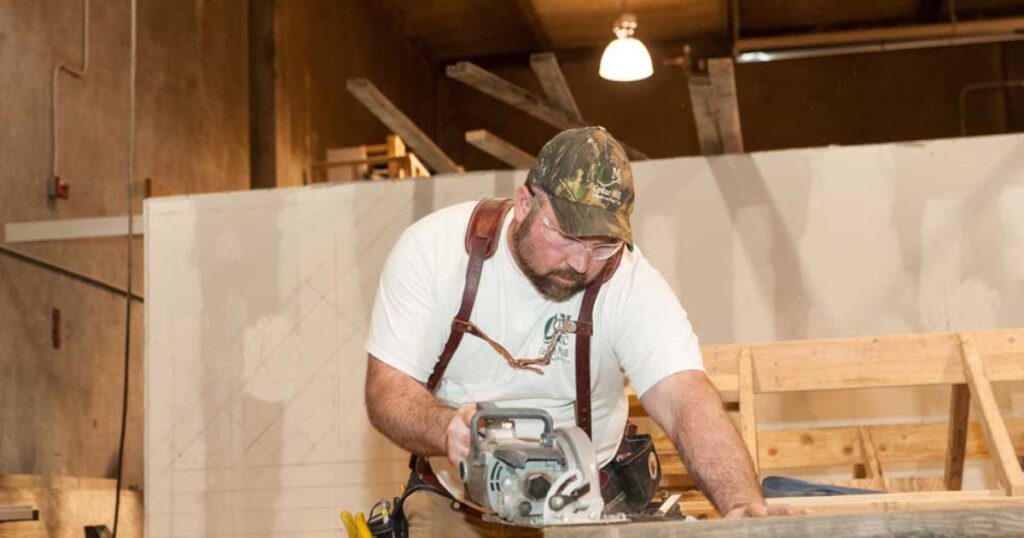
Carpenters are essential in many construction projects because their skills help transform plans and materials into functional structures. Precision, experience, and attention to detail are important in every carpentry activity.
For someone exploring opportunities in this field, understanding the different carpentry positions can make the search much easier. Which type of carpenter matches a person's skills? What activities are performed each day? The following information explains the most common options.
List of Carpenter Vacancies
Carpentry positions can vary according to the type of construction project, materials used, level of experience, and specific tasks assigned. Some positions focus on structural work, while others specialize in finishing, remodeling, or installation.
The following vacancies provide an overview of different carpentry opportunities and the responsibilities commonly associated with each one.
Construction Carpenter
Construction carpenters participate in different stages of building projects, working with wood and other construction materials to create or install structural and functional components.
Daily activities may include measuring materials, cutting pieces, assembling structures, installing components, and following construction plans. Accuracy is important because small measurement errors can affect the final result.
This position can be suitable for carpenters who enjoy working on active construction projects. It also provides opportunities to strengthen knowledge of tools, materials, measurements, and construction techniques.
Framing Carpenter
Framing carpenters specialize in creating the structural framework of buildings. Their work can include assembling walls, floors, ceilings, and other structural components according to project plans.
Precision is especially important because the frame provides the foundation for many other construction stages. Carpenters must carefully measure, cut, position, and secure materials.
This position is suitable for individuals who have experience with structural construction and enjoy working with measurements, tools, and detailed plans.
Finish Carpenter
Finish carpenters focus on detailed work that contributes to the final appearance of a building. Their activities can include installing trim, molding, doors, cabinets, and other decorative or functional elements.
Attention to detail is essential because finish work is highly visible. Small differences in measurements, alignment, or installation can affect the final appearance.
This role can be ideal for carpenters who enjoy precision and detailed craftsmanship. Experience in finishing can also help develop specialized skills for remodeling and interior projects.
Cabinet Carpenter
Cabinet carpenters create, assemble, repair, or install cabinets and other built-in wooden structures.
The position requires accurate measurements, careful material preparation, and attention to alignment. Carpenters may work with different types of wood and manufactured materials depending on project requirements.
This opportunity is suitable for individuals who enjoy detailed work and want to develop specialized skills in furniture and cabinet construction.
Remodeling Carpenter
Remodeling carpenters work on existing buildings that require modifications, repairs, improvements, or structural changes.
Their responsibilities can vary significantly depending on the project. Activities may include removing existing materials, repairing damaged structures, installing new components, and adapting spaces to new designs.
This position requires adaptability because each remodeling project can present different challenges. It is especially useful for carpenters who enjoy solving practical construction problems.
Residential Carpenter
Residential carpenters work on houses and other residential structures. Their responsibilities can include framing, installing doors and windows, constructing interior elements, and completing finishing tasks.
The position requires familiarity with common residential construction methods and the ability to follow project plans accurately.
This role offers broad exposure to different stages of residential construction and can help carpenters develop versatile skills.
Commercial Carpenter
Commercial carpenters work on larger buildings and commercial construction projects. Their responsibilities can include structural carpentry, interior installations, framing, and finishing depending on the project.
Commercial construction often involves larger crews and more detailed project coordination. Carpenters must communicate effectively with other workers and follow established construction schedules.
This opportunity can provide valuable experience working on complex projects while strengthening technical and teamwork skills.
Requirements
- Previous carpentry experience when required
- Knowledge of common carpentry tools
- Ability to read measurements accurately
- Basic understanding of construction plans
- Ability to measure and cut materials
- Knowledge of wood and other construction materials
- Good hand-eye coordination
- Attention to detail
- Physical ability to perform carpentry tasks
- Ability to work at different heights when required
- Ability to follow safety procedures
- Good communication skills
- Ability to work as part of a construction crew
- Punctuality and reliability
- Organizational skills
- Ability to follow instructions
- Problem-solving ability
- Adaptability to different construction projects
- Careful handling of tools and materials
- Commitment to maintaining an organized work area
Benefits
- Opportunity to develop professional carpentry skills
- Practical experience with construction materials
- Experience using different carpentry tools
- Development of measurement skills
- Improvement of precision and craftsmanship
- Exposure to different construction projects
- Opportunity to learn new carpentry techniques
- Development of problem-solving skills
- Improvement in teamwork and communication
- Experience with residential construction
- Experience with commercial construction
- Exposure to remodeling projects
- Development of finishing skills
- Improvement of project organization
- Practical learning through daily activities
- Opportunity to specialize in different areas of carpentry
- Development of professional discipline
- Experience that can support future carpentry opportunities
Advantages
- Builds valuable practical carpentry experience
- Strengthens precision and attention to detail
- Improves knowledge of construction materials
- Develops familiarity with professional tools
- Strengthens measurement and planning skills
- Provides exposure to different construction methods
- Encourages continuous technical learning
- Develops problem-solving abilities
- Improves teamwork and communication
- Helps identify areas for specialization
- Provides experience in remodeling and construction
- Strengthens professional discipline
- Improves organization on construction projects
- Develops adaptability to different project requirements
- Builds knowledge that can be useful for future carpentry opportunities
- Allows workers to learn from experienced construction crews
- Strengthens craftsmanship through practical experience
- Creates a foundation for continued professional development in carpentry
Deja una respuesta