
Excavation Worker Wanted in Portland, Oregon, USA
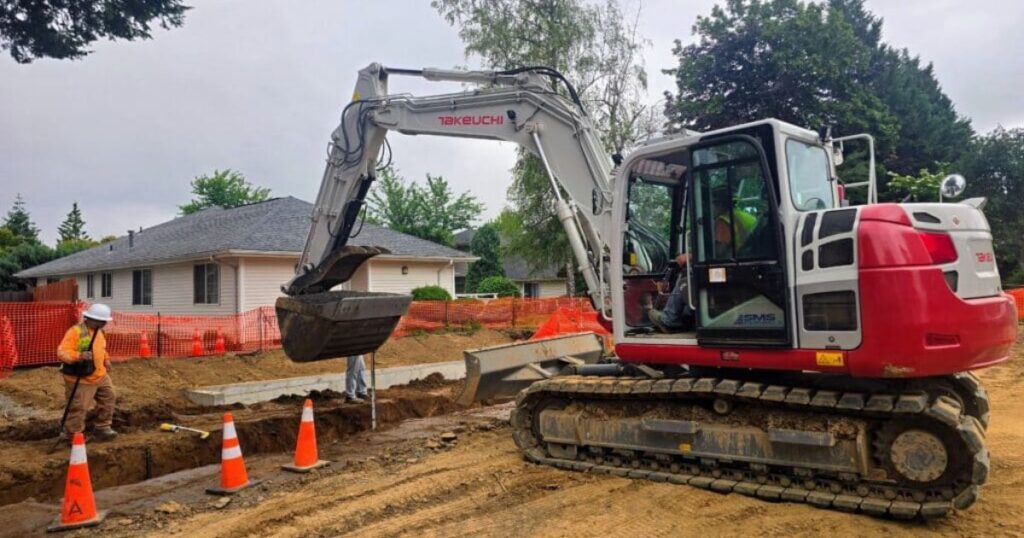
An excavation worker performs specialized construction work involving digging, trenching, grading, backfilling, site preparation, and other ground-related activities. Responsibilities can include preparing excavation areas, assisting with underground utilities, operating or working around heavy equipment, moving materials, and maintaining safe work areas. Current Portland-area excavation positions include work involving trenching, grading, underground utilities, backfilling, equipment operation, and site cleanup.
For someone exploring opportunities in excavation and site development, understanding the different positions can make the search easier. What responsibilities are commonly included? Which skills are useful when working with soil, trenches, underground utilities, and heavy equipment? The following guide explains several excavation worker positions and their responsibilities.
List of Excavation Worker Vacancies
Excavation positions can vary according to the type of construction project, equipment being used, depth of excavation, underground utilities, and level of experience required.
Some positions focus mainly on manual excavation and site preparation, while others involve heavy equipment operation, trenching, grading, underground utility installation, pipe work, or crew coordination.
General Excavation Worker
A general excavation worker assists with preparing construction sites and performing ground-related activities. Responsibilities can include digging, moving soil, preparing trenches, loading materials, backfilling, compacting areas, and cleaning the worksite.
Oregon's labor classification describes construction laborer duties as including digging, lifting, carrying, holding, mixing, spreading, and cleaning.
This position can provide broad exposure to excavation and construction while developing physical coordination, material-handling, teamwork, organization, and safety skills.
Excavation Laborer
An excavation laborer supports the excavation crew with daily site activities. Responsibilities can include assisting equipment operators, preparing tools, guiding machinery, moving materials, cleaning excavation areas, and helping with trenching and backfilling.
Portland-area excavation positions commonly combine physical labor with trenching, grading, utility installation, and general site work.
This position can be a useful way to gain practical experience while learning how excavation crews coordinate their activities.
Excavation Technician
An excavation technician performs a combination of equipment operation and hands-on excavation work. Responsibilities can include operating excavators, loaders, skid steers, backhoes, digging trenches, backfilling, compacting soil, installing utilities, and assisting other crew members.
A current Portland-area excavation technician position specifically includes excavator, loader, skid-steer, and backhoe operation as well as trenching, grading, underground utility work, backfilling, and site cleanup.
This position can develop specialized equipment-operation and excavation skills.
Trenching Worker
A trenching worker focuses on preparing trenches for utilities, drainage systems, foundations, and other underground construction.
Responsibilities can include digging trenches, maintaining proper dimensions, assisting with shoring, removing soil, preparing trench bottoms, and helping install underground systems.
Safety is particularly important because Oregon OSHA requires cave-in protection for workers in excavations five feet deep or deeper, and protection may also be required at shallower depths when a cave-in hazard exists.
This position can provide valuable experience with underground construction and excavation safety.
Underground Utility Worker
An underground utility worker assists with installing and maintaining systems such as water, sewer, and stormwater lines.
Responsibilities can include trenching, preparing utility routes, installing pipes, assisting with manholes and related structures, backfilling, compacting, and coordinating with equipment operators.
Current Portland excavation positions include installation and repair of sewer, storm, and water systems.
This opportunity can develop specialized knowledge of underground infrastructure.
Grading Worker
A grading worker helps prepare land to the required elevations and slopes before construction begins. Responsibilities can include moving soil, checking grades, spreading fill, compacting material, and assisting equipment operators.
Portland excavation positions commonly include grading and the use of laser levels or other grade-control equipment.
This role can develop knowledge of site preparation, measurements, grading techniques, and construction layouts.
Heavy Equipment Excavation Worker
A heavy equipment excavation worker operates machinery used to dig, move, and grade soil. Equipment may include excavators, loaders, backhoes, skid steers, bulldozers, or other construction machines when the worker is properly qualified.
The City of Portland describes construction equipment operators performing excavation, grading, earthmoving, material handling, and related site activities.
This position can provide specialized experience with construction machinery and large-scale site preparation.
Excavation Crew Foreman
An excavation foreman coordinates excavation crews and oversees daily site operations. Responsibilities can include assigning tasks, interpreting plans and grades, coordinating equipment, monitoring trenching and utility work, conducting safety meetings, and communicating with project managers and other parties.
A current Portland-area excavation foreman position includes crew supervision, grading, trenching, underground utility installation, equipment operation, safety meetings, and crew training.
This position is generally suited to experienced excavation workers who have developed strong technical and leadership skills.
Requirements
- Previous excavation or construction experience when required
- Knowledge of basic excavation procedures
- Ability to dig and prepare excavation areas
- Ability to work around heavy equipment
- Ability to follow instructions from supervisors
- Ability to work safely around trenches
- Understanding of basic excavation safety
- Ability to recognize potential hazards
- Good communication skills
- Ability to work as part of an excavation crew
- Physical stamina
- Ability to lift and move materials
- Ability to bend, kneel, crouch, and work outdoors
- Ability to work in changing weather conditions
- Ability to maintain an organized work area
- Ability to assist equipment operators
- Ability to perform manual excavation tasks
- Ability to assist with trenching
- Ability to assist with backfilling
- Ability to perform site cleanup
- Ability to follow construction plans when required
- Ability to understand basic measurements and grades
- Experience with underground utilities when required
- Experience with pipe installation when required
- Experience with grading when required
- Experience operating heavy equipment when required
- Ability to operate excavators when qualified
- Ability to operate loaders when qualified
- Ability to operate skid steers when qualified
- Ability to operate backhoes when qualified
- Ability to use laser levels when required
- Ability to perform equipment inspections when required
- Ability to communicate with equipment operators
- Punctuality
- Reliability
- Professional attitude
- Ability to work independently when necessary
- Ability to follow project specifications
- Ability to identify and report site problems
- Ability to maintain tools and equipment
- Ability to adapt to changing project requirements
- Valid driver's license when required
- CDL when specifically required
- OSHA training or certification when required
- Willingness to learn additional excavation techniques
Benefits
- Opportunity to gain excavation experience
- Development of specialized construction skills
- Experience with site preparation
- Development of trenching skills
- Experience with grading activities
- Development of material-handling abilities
- Experience with underground utility projects
- Development of backfilling and compaction knowledge
- Experience working around heavy equipment
- Development of equipment-operation skills when qualified
- Improvement of physical coordination
- Development of workplace communication
- Improvement of teamwork abilities
- Development of safety awareness
- Experience working with experienced excavation crews
- Opportunity to learn professional excavation procedures
- Development of problem-solving skills
- Experience with sewer and water systems
- Exposure to stormwater infrastructure
- Experience with pipe installation when applicable
- Development of measurement and grading knowledge
- Improvement of organization skills
- Development of time-management abilities
- Experience with residential construction
- Experience with commercial construction
- Exposure to larger site-development projects
- Development of professional discipline
- Improvement of task management
- Development of practical decision-making
- Opportunity to learn from experienced equipment operators
- Foundation for future opportunities in excavation and construction
Advantages
- Provides practical excavation experience
- Develops trenching skills
- Strengthens site-preparation abilities
- Improves knowledge of grading
- Develops material-handling skills
- Provides experience with underground construction
- Strengthens backfilling abilities
- Develops knowledge of soil and excavation procedures
- Provides exposure to heavy equipment
- Develops equipment-operation skills when qualified
- Improves physical coordination
- Strengthens teamwork abilities
- Develops communication skills
- Improves construction safety awareness
- Provides experience working around excavators and loaders
- Develops knowledge of underground utility systems
- Provides experience with sewer and water installation
- Develops stormwater construction knowledge
- Improves practical problem-solving
- Strengthens worksite organization
- Develops measurement and grade-reading abilities
- Provides exposure to residential projects
- Provides exposure to commercial projects
- Develops adaptability to different construction sites
- Improves time-management abilities
- Encourages continuous learning
- Develops professional discipline
- Strengthens ability to follow construction plans
- Provides experience that can support future specialized excavation opportunities
- Creates a foundation for continued development within the construction and site-development industry
Deja una respuesta