
Drywall Installer Wanted in Las Vegas, Nevada, USA
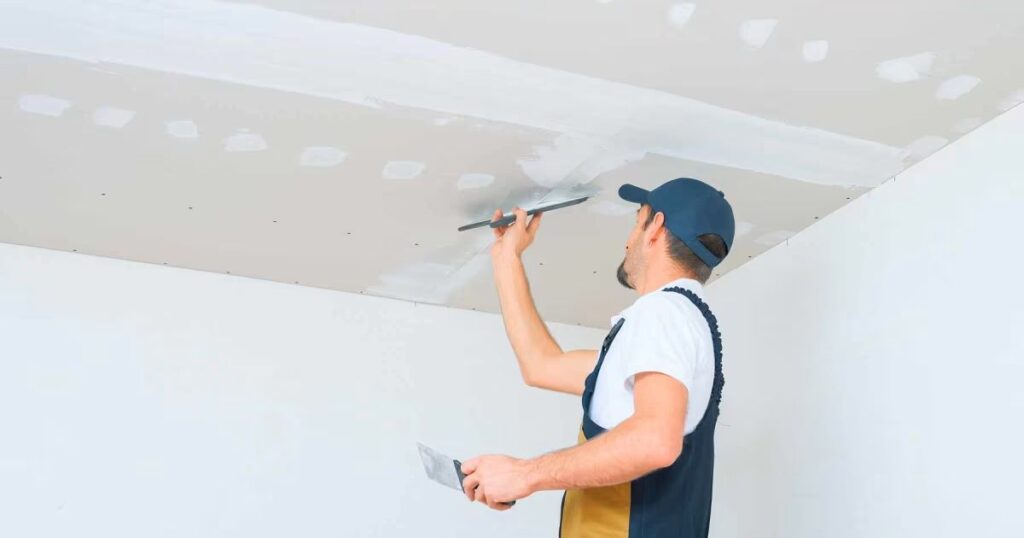
A drywall installer performs specialized construction work involving the measurement, cutting, installation, repair, and finishing of drywall panels used on interior walls and ceilings. Typical tasks include measuring surfaces, cutting panels, attaching them to framing, taping joints, applying joint compound, sanding, repairing damaged areas, and preparing surfaces for painting.
For someone exploring opportunities in drywall installation, understanding the different positions can make the search easier. What responsibilities are commonly included? Which skills are useful when working with drywall materials and finishing tools? The following guide explains several drywall installer positions and their responsibilities.
List of Drywall Installer Vacancies
Drywall installer positions can vary according to the type of construction project, the size of the building, the required finishing level, and the installer's experience.
Some positions focus mainly on hanging drywall, while others combine installation with taping, mudding, sanding, texturing, painting, or repair work. Current Las Vegas listings include installers involved in new drywall installation, patching, texture matching, taping, repair, and finishing.
General Drywall Installer
A general drywall installer measures, cuts, and installs drywall panels on walls and ceilings. Responsibilities can include preparing surfaces, transporting panels, fastening drywall to framing, taping seams, applying joint compound, and sanding finished areas.
Attention to detail is important because drywall panels need to fit correctly and joints must be finished smoothly before painting.
This position can provide broad experience with drywall installation and help develop measuring, cutting, tool-handling, finishing, organization, and teamwork skills.
Drywall Hanger
A drywall hanger focuses primarily on positioning and fastening drywall panels to walls and ceilings. Responsibilities can include measuring areas, cutting panels, lifting and positioning sheets, securing them to framing, and preparing installed panels for finishing.
Drywall installation can require workers to lift and maneuver large panels while standing, bending, and reaching for extended periods.
This position can help workers develop practical installation techniques and become familiar with drywall tools, materials, framing, and construction procedures.
Drywall Finisher
A drywall finisher works on the surface after the panels have been installed. Responsibilities can include applying joint tape, spreading joint compound, smoothing seams, filling holes, sanding surfaces, and preparing walls for painting.
Finishing requires precision because uneven joints or rough areas can remain visible after painting.
This position can develop attention to detail, patience, surface-preparation skills, tool control, and knowledge of finishing procedures.
Drywall Repair Worker
A drywall repair worker focuses on correcting damaged or unfinished drywall surfaces. Responsibilities can include patching holes, repairing cracks, replacing damaged sections, matching existing textures, sanding repairs, and preparing areas for paint.
Current Las Vegas listings include drywall repair roles involving patching, surface corrections, texture matching, mudding, sanding, and paint preparation.
This opportunity can help develop troubleshooting, repair, texture-matching, finishing, and attention-to-detail skills.
Residential Drywall Installer
A residential drywall installer works on houses, apartments, remodeling projects, and other residential properties. Responsibilities can include installing wall and ceiling panels, making cuts around doors and windows, finishing seams, repairing surfaces, and maintaining clean work areas.
Residential projects may require careful work because finished surfaces are highly visible and may involve occupied homes during remodeling.
This position can provide experience with residential construction and help develop precision, organization, customer communication, and finishing skills.
Commercial Drywall Installer
A commercial drywall installer works on larger buildings and commercial construction projects. Responsibilities can include installing drywall across multiple rooms, measuring areas, coordinating with other construction crews, and completing assigned sections according to project requirements.
Commercial projects often involve several trades working simultaneously, making communication and scheduling important.
This position can provide experience with larger-scale construction projects and strengthen teamwork, productivity, organization, and project coordination skills.
Drywall and Texture Specialist
A drywall and texture specialist combines installation, repair, and surface-finishing responsibilities. Activities can include installing drywall, applying joint compound, sanding, matching existing textures, operating texture equipment, and preparing surfaces for painting.
Las Vegas listings currently include positions requiring drywall repair, texture matching, sanding, blending, and operation of texture equipment.
This role can provide more specialized experience and help develop advanced finishing and repair abilities.
Drywall Installer Helper
A drywall installer helper supports experienced installers with daily activities. Responsibilities can include carrying drywall panels, preparing tools, measuring materials, cleaning work areas, assisting with installation, and organizing supplies.
Many workers enter the drywall trade by assisting experienced workers and gradually learning additional responsibilities on the job.
This position can be useful for individuals who want to develop practical construction experience while learning drywall installation techniques.
Requirements
- Previous drywall or construction experience when required
- Ability to measure and mark drywall panels
- Ability to cut drywall accurately
- Ability to install drywall panels
- Ability to use basic drywall tools
- Ability to follow construction instructions
- Good communication skills
- Strong attention to detail
- Ability to work as part of a construction crew
- Ability to handle and move drywall panels
- Physical stamina
- Ability to stand for extended periods
- Ability to bend, kneel, crouch, and reach
- Ability to lift materials according to job requirements
- Ability to work on ladders or elevated areas when required
- Understanding of basic construction safety practices
- Ability to maintain an organized work area
- Ability to tape drywall joints
- Ability to apply joint compound when required
- Ability to sand drywall surfaces
- Ability to patch holes and damaged areas
- Ability to match existing textures when required
- Ability to use finishing equipment when qualified
- Ability to follow project specifications
- Ability to work efficiently
- Punctuality
- Reliability
- Professional attitude
- Ability to communicate with supervisors and coworkers
- Ability to adapt to different construction projects
- Previous residential experience when required
- Previous commercial experience when specifically required
- Experience with drywall repair when required
- Experience with texture work when required
- Ability to maintain clean work areas
- Ability to protect finished surfaces
- Ability to identify imperfections
- Ability to correct finishing problems
- Willingness to learn additional drywall techniques
Benefits
- Opportunity to gain drywall installation experience
- Development of specialized construction skills
- Experience working on residential projects
- Experience working on commercial projects
- Improvement of measuring abilities
- Development of cutting and installation skills
- Experience with drywall finishing
- Development of surface-preparation skills
- Improvement of attention to detail
- Experience with drywall repair
- Development of texture-matching abilities
- Experience using drywall tools
- Development of physical coordination
- Improvement of organization skills
- Development of time management
- Experience working with construction crews
- Opportunity to learn from experienced installers
- Development of problem-solving skills
- Experience with wall and ceiling installation
- Exposure to different drywall systems
- Development of professional discipline
- Improvement of workplace communication
- Experience with taping and joint finishing
- Experience with sanding and surface preparation
- Exposure to remodeling projects
- Experience with texture equipment when applicable
- Development of construction safety awareness
- Improvement of task management
- Development of practical decision-making
- Opportunity to develop specialized finishing skills
- Foundation for future opportunities in drywall installation and construction
Advantages
- Provides practical drywall installation experience
- Develops measuring skills
- Strengthens cutting and installation techniques
- Improves attention to detail
- Develops surface-finishing abilities
- Strengthens tool-handling skills
- Improves physical coordination
- Develops organization
- Improves time-management abilities
- Provides exposure to residential construction
- Provides exposure to commercial construction
- Develops knowledge of drywall materials
- Strengthens repair skills
- Develops texture-matching abilities
- Improves problem-solving
- Provides experience working with construction crews
- Strengthens communication with supervisors
- Develops construction safety awareness
- Improves worksite organization
- Provides experience with wall and ceiling installation
- Develops knowledge of taping and joint compound
- Provides experience with sanding and finishing
- Strengthens ability to identify surface imperfections
- Develops adaptability to different projects
- Improves ability to manage multiple tasks
- Encourages continuous learning
- Provides experience with drywall repair and remodeling
- Develops professional discipline
- Strengthens teamwork abilities
- Provides experience that can support future specialized drywall opportunities
- Creates a foundation for continued development within the construction industry
Deja una respuesta