
Nanny Needed in San Jose, California, USA
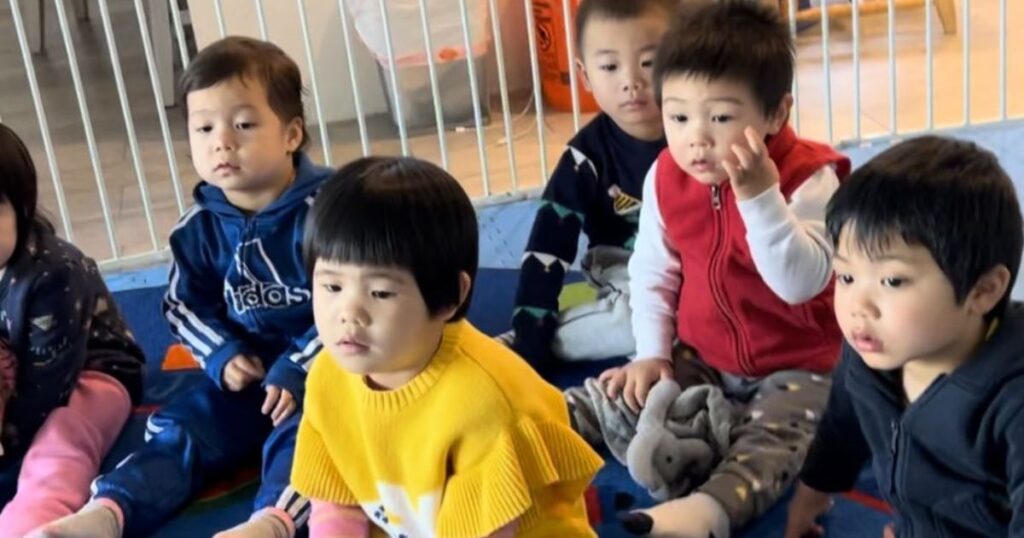
A nanny provides attentive care and supervision for children while supporting their daily routines. Responsibility, patience, communication, organization, and the ability to respond appropriately to children's needs are important qualities for this role.
For someone exploring opportunities in childcare, understanding the different nanny positions can make the search easier. What responsibilities are commonly included? Which skills are useful when caring for children? The following guide explains several nanny positions and their responsibilities.
List of Nanny Vacancies
Nanny positions can vary depending on the children's ages, family routines, schedules, responsibilities, and level of childcare required.
Some positions focus mainly on supervision and daily routines, while others may include school transportation, meal preparation for children, activity planning, infant care, or support with household tasks directly related to the children.
Full-Time Nanny
A full-time nanny provides regular childcare throughout an agreed schedule. Responsibilities can include supervising children, preparing age-appropriate activities, helping with routines, organizing children's belongings, and maintaining a safe environment.
Consistency is important because children often benefit from predictable routines. A nanny needs to understand the family's established schedule and communicate clearly about changes or situations that may require attention.
This position can provide valuable childcare experience. It can help develop organization, communication, patience, time management, and the ability to understand and respond to different children's needs.
Part-Time Nanny
A part-time nanny provides childcare during selected hours or specific days. Responsibilities may include supervising children, assisting with routines, preparing simple food for them, organizing activities, and maintaining children's areas.
Because the schedule may be limited, organization is particularly important. The nanny needs to understand the family's expectations and make effective use of the available time.
This opportunity can be suitable for someone seeking experience in childcare while working within a defined schedule. It can help strengthen communication, responsibility, organization, and child-supervision skills.
Infant Nanny
Infant nannies specialize in caring for babies and supporting their daily routines. Responsibilities can include attentive supervision, preparing bottles or food according to parental instructions, changing diapers, helping with sleep routines, and maintaining a clean area for the infant.
Infants require close observation because their needs can change quickly. A nanny should carefully follow the instructions provided by the parents and communicate relevant changes in the baby's routine or behavior.
This position can provide specialized childcare experience. It can help develop patience, observation, responsibility, organization, and a deeper understanding of infant routines.
Toddler Nanny
Toddler nannies care for young children who are becoming increasingly active and independent. Their responsibilities can include supervision, age-appropriate play, reading, simple activities, meal support, and assistance with daily routines.
Toddlers require continuous attention because they may move quickly and explore their surroundings. A nanny needs to create an organized environment and remain attentive while encouraging appropriate activities.
This position can help develop strong supervision skills and patience. It can also provide experience with children's development, communication, routines, and age-appropriate activities.
After-School Nanny
After-school nannies provide childcare after children finish their school day. Responsibilities can include receiving children, helping with routines, preparing simple snacks or meals, organizing activities, supporting homework when appropriate, and supervising play.
The afternoon routine can vary depending on the family's schedule. A nanny needs to understand the children's responsibilities and help maintain an organized transition from school activities to home routines.
This position can provide useful experience with school-age children. It can strengthen communication, organization, time management, supervision, and the ability to manage several activities during a limited period.
Family Nanny
Family nannies provide childcare for one or more children within a family. Responsibilities can vary according to the children's ages and the family's established routines.
Activities may include supervising children, preparing simple meals for them, organizing games and educational activities, assisting with routines, maintaining children's belongings, and communicating important information to parents.
This position can provide broad childcare experience because the nanny may work with children who have different ages and needs. It can develop flexibility, patience, organization, communication, and problem-solving abilities.
Live-In Nanny
A live-in nanny stays at the family's residence according to an agreed arrangement and provides childcare during specified working periods. Responsibilities can include supervision, children's routines, activity planning, meal preparation for children, and assistance with their daily needs.
Clear communication is especially important in this type of arrangement. The nanny and family need to understand schedules, responsibilities, personal time, and household expectations before beginning the arrangement.
This position can provide extensive childcare experience and close exposure to family routines. It can strengthen responsibility, organization, communication, adaptability, and independent decision-making.
Requirements
- Previous childcare experience when required
- Ability to supervise children attentively
- Patience when interacting with children
- Good communication skills
- Responsible attitude
- Ability to follow parental instructions
- Ability to maintain children's routines
- Good organization skills
- Ability to manage time effectively
- Ability to respond calmly to unexpected situations
- Ability to maintain a clean and organized children's area
- Understanding of age-appropriate activities
- Ability to prepare simple food for children when required
- Ability to assist with children's daily routines
- Ability to organize games and educational activities
- Ability to communicate relevant information to parents
- Punctuality
- Reliability
- Professional attitude
- Ability to respect family routines
- Ability to maintain appropriate boundaries
- Ability to work independently
- Ability to work with parents and other family members
- Ability to adapt to changing schedules
- Attention to children's needs
- Basic understanding of child safety practices
- Ability to remain attentive for extended periods
- Ability to handle routine childcare responsibilities
- Willingness to learn family-specific procedures
- Previous infant or toddler experience when specifically required
- Ability to maintain confidentiality regarding family matters
- Ability to follow emergency instructions provided by the family
- Ability to communicate concerns promptly
- Ability to support a positive environment for children
Benefits
- Opportunity to gain childcare experience
- Development of professional childcare skills
- Experience caring for children of different ages
- Improvement of communication abilities
- Development of patience
- Improvement of organization skills
- Development of time management
- Experience supporting children's daily routines
- Development of child-supervision skills
- Experience organizing age-appropriate activities
- Improvement of problem-solving abilities
- Development of responsibility
- Experience communicating with parents
- Opportunity to learn different family routines
- Development of adaptability
- Improvement of planning skills
- Experience with infant care when applicable
- Experience with toddler care when applicable
- Experience with school-age children when applicable
- Development of observation skills
- Improvement of household organization related to children
- Experience preparing simple meals for children
- Development of activity-planning skills
- Improvement of professional discipline
- Experience managing daily childcare schedules
- Development of independent decision-making
- Improvement of teamwork with parents
- Development of interpersonal skills
- Experience that can support future opportunities in childcare
- Opportunity to develop a broader understanding of children's daily needs
Advantages
- Provides practical childcare experience
- Develops patience
- Strengthens communication skills
- Improves organization
- Develops time-management abilities
- Strengthens child-supervision skills
- Improves observation
- Develops responsibility
- Encourages continuous learning
- Improves practical problem-solving
- Develops adaptability
- Provides experience with different children's ages
- Develops knowledge of children's routines
- Strengthens activity-planning skills
- Improves communication with parents
- Develops independent work abilities
- Strengthens professional discipline
- Provides experience with family routines
- Develops skills for maintaining organized children's areas
- Improves ability to manage daily schedules
- Provides exposure to infant-care routines
- Provides exposure to toddler-care routines
- Provides experience with school-age childcare
- Develops age-appropriate activity skills
- Strengthens decision-making
- Improves ability to respond calmly to unexpected situations
- Develops interpersonal skills
- Encourages responsible childcare practices
- Provides practical experience applicable to different family environments
- Creates a foundation for continued professional development in childcare
Deja una respuesta